From Homemaker to Village Bank Point: Two BC Sakhi Journeys from the Rural Development Ministry Report
Pratima Rana in Jharkhand and Debashree Gogoi Bora in Assam work as BC Sakhis. This article tells their journeys from the Ministry of Rural Development's 2025-26 report, with the programme's numbers.
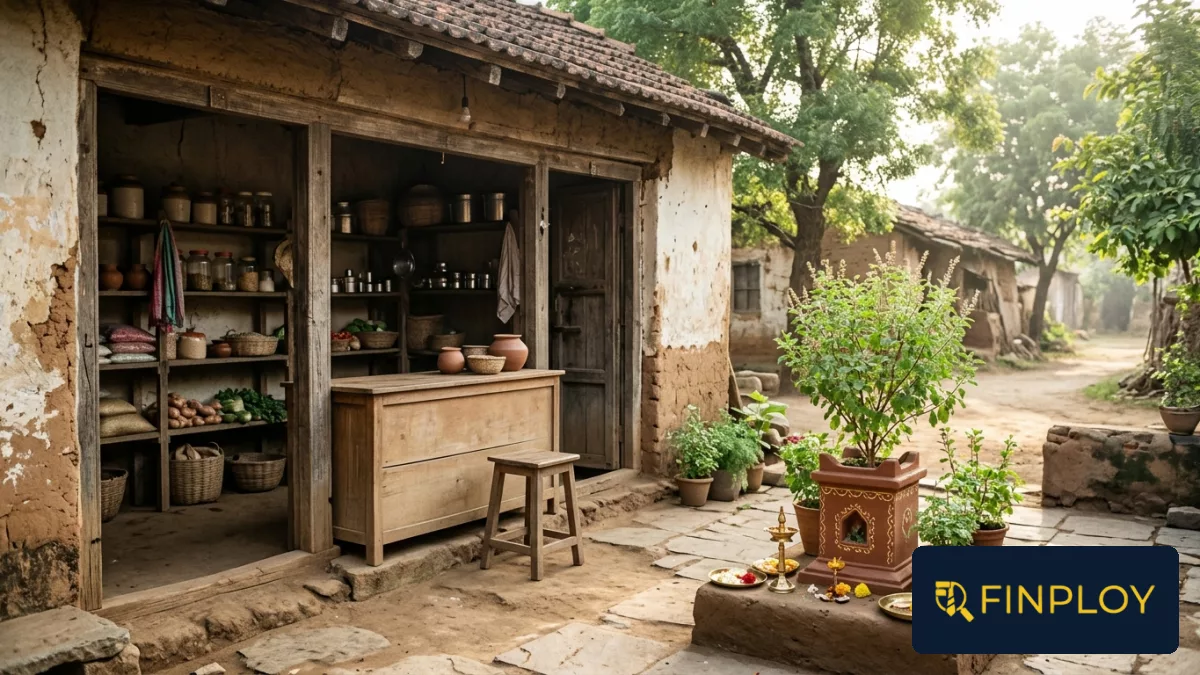
Two women, in two villages, took up one new job: Business Correspondent Sakhi, or BC Sakhi. A BC Sakhi is a woman from a self-help group who is trained to give basic bank services at a village point or at the customer's door. Their stories are told in the Ministry of Rural Development's Annual Report 2025-26, under the Deendayal Antyodaya Yojana - National Rural Livelihoods Mission (DAY-NRLM). All details below come from that report.
Pratima Rana, Manjildih village, Giridih, Jharkhand
Pratima was a homemaker. In 2018 she joined a Sakhi Mandal (a women's group) called Kamal Aajeevika, run under the Jharkhand State Livelihood Promotion Society. The report says she was educated and skilled but had no support to start something. She received BC Sakhi training through RSETI, a rural self-employment training institute, and started work as a Banking Correspondent.
She took a loan of Rs 50,000 from her group to buy a laptop and widen her services. She helps older people with pensions, helps persons with disabilities with banking, and helps group members open bank accounts. The report says she earns more than Rs 1,20,000 a year. She uses this to support her children's education. She also went to Delhi for the first time, for the Saras Ajeevika Mela 2025, and gave banking services there.
Debashree Gogoi Bora, Nagaon, Assam
A neighbour told Debashree about the programme. She began by helping customers with simple transactions, got a Common Service Centre ID and set up her own Customer Service Point. For five years she has served pensioners and people who receive government payments, so that they do not have to travel far. The report says she serves 30 to 35 customers a day, works flexible hours and visits those who cannot come to her.
From April to August, she processed over 2,500 transactions. Her monthly commission was between Rs 10,000 and Rs 17,000. She also runs a small printing and photocopy service, and bakes cakes for neighbours. Her husband, who runs a travel business, helps her. She plans to move her centre into a separate shop. The report quotes her: "Banking gives me purpose, baking gives me happiness - both keep me connected to my people."
The bigger picture
The report says that up to November 2025 more than 1,48,730 women from self-help groups had been trained and placed as BC Sakhis across 28 states. The Mission aims to have one trained and IIBF-certified woman BC in every Gram Panchayat. In July 2025 it signed an agreement with LIC. Under it, BC Sakhis and similar workers can train to become LIC's Bima Sakhi agents. The report says a Bima Sakhi who sells one policy a month gets a stipend of Rs 7,000 a month in year one, Rs 6,000 in year two and Rs 5,000 in year three, plus regular agent commission.
What readers can take from it
These are two stories chosen by the Ministry, so they show what is possible, not what every BC Sakhi earns. Still, both show the same steps: join a group, get trained, learn to use a device, and build trust one customer at a time.
On Finploy data for February 2025 to October 2026, about two in three openings were outside the eight big metros. A banking career can begin close to home. If you want a start in a village or small town, ask your nearest self-help group, your district RSETI or your bank branch how to join.
Frequently asked questions
What is a BC Sakhi?
A woman from a self-help group who is trained to give basic bank services at a village point or at the customer's door.
How many BC Sakhis are there?
The Ministry of Rural Development report says more than 1,48,730 women had been trained and placed up to November 2025.

Archana Jain
Archana Jain is the Founder and CEO of Finploy Technologies, a recruitment platform built exclusively for banking, financial services and insurance (BFSI) hiring in India and Singapore. She has led Finploy since 2020 and has been Chief Operating Officer of Deeesha Finance & Finploy Finance Employment since 2016. Her work focuses on bank and NBFC hiring: leadership roles, home loan and LAP sales, CASA and retail banking, credit and underwriting, collections and recovery, and relationship management, across 1,500+ locations in India. She reviews Finploy Insights articles before they are published.