Supreme Court Order of 19 November on Stalled-Project Home Loans: What It Means for Borrowers and Lenders
The Supreme Court has asked a commercial court to check how SBI released home loan money to a builder, and not to take forced action against the buyers until it decides whether they are in default. The loans are not cancelled.
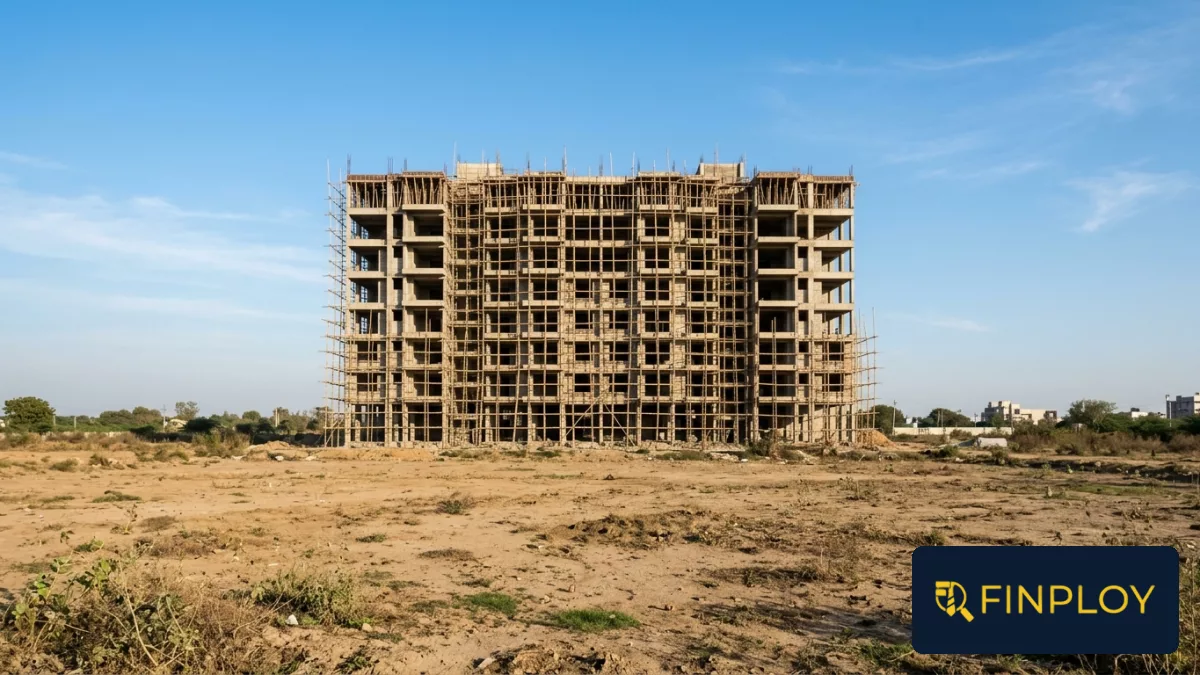
On 19 November 2026, the Supreme Court gave an order that matters to home loan borrowers and to lenders. A bench of Chief Justice Surya Kant and Justices Joymalya Bagchi and V Mohana protected a group of homebuyers from forced recovery by State Bank of India (SBI). The buyers had taken loans for a stalled housing project. Business Standard and Bar & Bench reported the order.
What the Court said
- SBI has filed recovery suits before the Commercial Court at Saket in Delhi.
- The Supreme Court told that court to check first whether SBI released the loan money to the builder as the three-party agreement (buyer, builder and bank) required, that is, in stages tied to construction progress.
- The commercial court must not take coercive action against the buyers unless it first decides whether they are actually in default.
- The Court noted that the bank appeared to have paid the builder even though building work had not moved at the same pace.
What the order does not do
The order does not cancel the loans. Business Standard quotes a lawyer who notes that a delay in finishing the project does not, by itself, allow a buyer to stop paying instalments that have fallen due. The Court has also not decided the case on its merits. The checks it ordered are for the commercial court to carry out. Reports differ on where the project is. Business Standard places it in Sonipat; other reports say Sohna, Gurugram.
What it means for home loan staff
Home loans and loans against property (LAP) sit on a physical asset. A person has to check the site and the papers. In Finploy's view of the field, this is why such roles remain in demand even as other loan work moves to apps. On Finploy data for February 2025 to October 2026, home loan and LAP posts had about 0.9 candidates for every opening. That is fewer than one candidate for each job. We did not re-measure this figure on 26 November 2026.
This order puts weight on the same skill: show that money was released against work done. If you work in credit, legal or collections for secured loans, keep clear records of each release and of what the site visit found. If you are applying for such a role, learn how staged disbursal works and how to read a three-party agreement.
If you are a borrower
Read your agreement. Keep the sanction letter and every payment receipt. If your project is stalled, speak to your lender and a lawyer before you stop paying. This article is not legal advice.
Frequently asked questions
Does the Supreme Court order cancel the home loans?
No. It limits forced recovery until the commercial court checks how the money was released and whether the buyers are in default.
Which bench gave the order?
Chief Justice Surya Kant with Justices Joymalya Bagchi and V Mohana, on 19 November 2026.

Archana Jain
Archana Jain is the Founder and CEO of Finploy Technologies, a recruitment platform built exclusively for banking, financial services and insurance (BFSI) hiring in India and Singapore. She has led Finploy since 2020 and has been Chief Operating Officer of Deeesha Finance & Finploy Finance Employment since 2016. Her work focuses on bank and NBFC hiring: leadership roles, home loan and LAP sales, CASA and retail banking, credit and underwriting, collections and recovery, and relationship management, across 1,500+ locations in India. She reviews Finploy Insights articles before they are published.